Bitcoin Won’t Win as a Currency. It Will Win as Collateral.
If Bitcoin is so perfect on paper, why is real-world usage still crawling? The answer isn’t what you think.
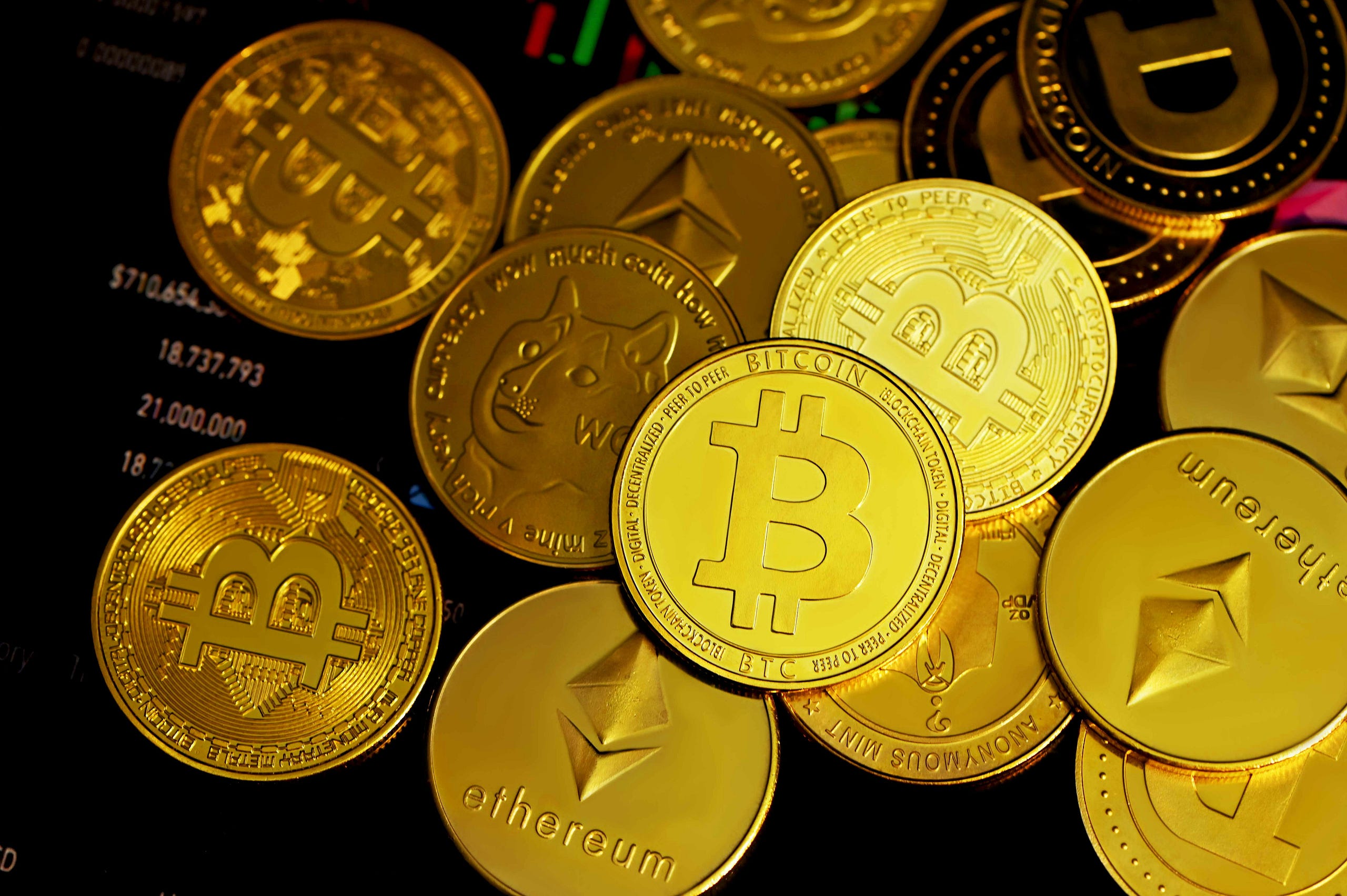
Bitcoin is 15 years old (Yea I know right?), yet merchants still barely use it. Despite all the hype, Bitcoin’s real-world spending footprint hasn’t meaningfully grown.
Today, the majority of activity is still:
- Exchange ↔ Exchange churn
- Custodian reshuffling
- Speculative positioning
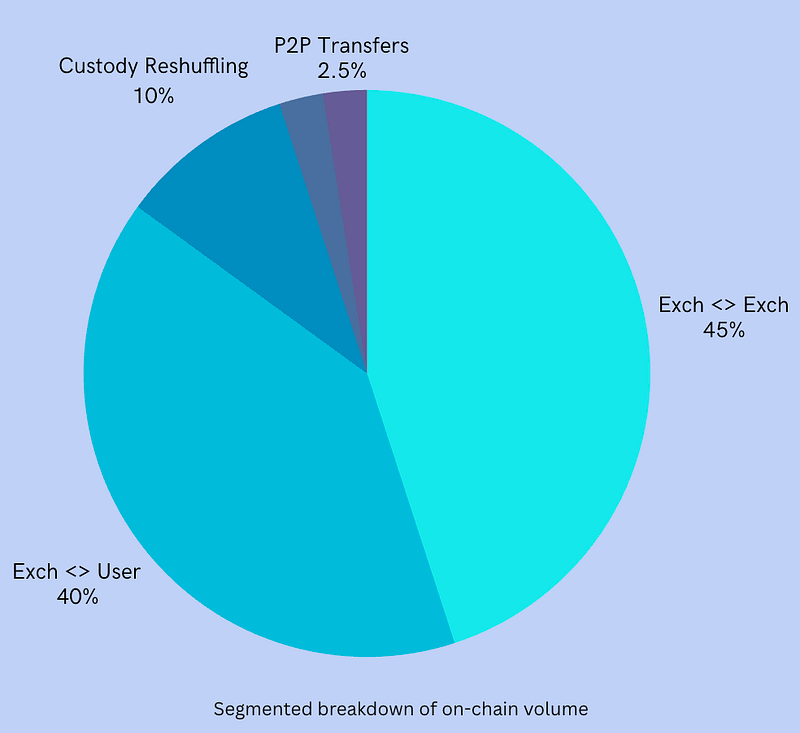
Actual merchant usage? Still hovering around 2–3%. We can literally see usage nose-dive whenever volatility spikes.And that raises uncomfortable questions:
- Is Bitcoin becoming purely speculative?
- Is the “greater fool theory” the only thing holding price up?
Bitcoin is already:
- Globally priced
- Borderless
- Instantly verifiable
- Deeply liquid
- Transparent and on-chain
- Capped and predictable
It has all the traits of a perfect economic engine, but we still don’t use it as money.
Why? Because every system today forces users to sell their Bitcoin in order to spend it.
Even the so-called “crypto cards” don’t solve this. You may think of this as a “Crypto payment” but in the backend they are simply selling your crypto for dollars (Sometimes their own crypto off-chain for faster liquidity and then transfer the dollars through traditional banking infrastructure). A typical flow for say an International swiping of their card would be:
BTC → Sell to USD → Convert to local currency → Merchant gets paid
You can naturally see the problem here:
- Double-converting every transaction
- Eating spread and markup fees
- Settling off-chain for speed
- Offering no real “Crypto-Payment”, they just rapidly sell crypto for cash.
They look modern on the surface, but underneath, it’s the same inefficient plumbing we’ve had for decades. These are not crypto-native systems. I sometimes feel they are just “Gimmicks” to raise investor money.
What if we stopped trying to “spend Bitcoin” and instead used Bitcoin as proof of creditworthiness?
Your BTC becomes:
- Your collateral
- Your proof of wealth
- Your credit signal
Why BTC is a perfect collateral:
- Limited supply ensures rarity: Bitcoin’s supply is permanently capped at 21 million coins (over 93% are already mined in 2025)
- Most decentralised, risk-minimised protocol: runs on thousands of globally distributed nodes and is the world’s most robust blockchain against attacks/censorship.
- Transparency, instant settlement capability, and resistance to manipulation.
- Held mostly by individuals: providing network stability and decentralised control.
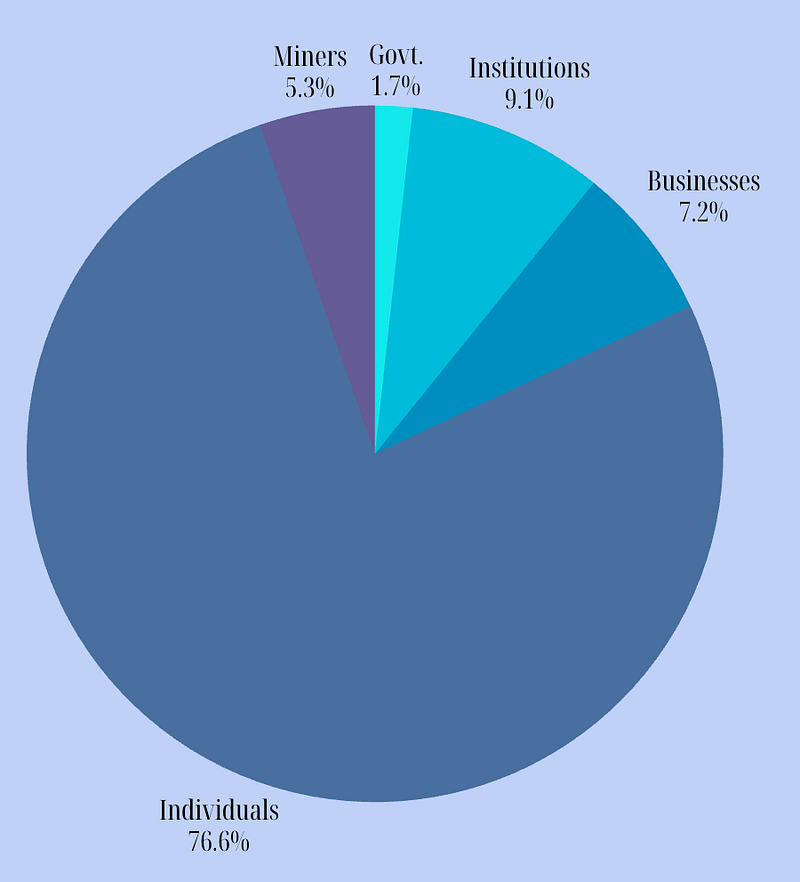
Think this:
You have BTC in your wallet = Your creditworthiness. When you “spend”, BTC gets converted to a Stablecoin which is used for settlement.
We do this as Stablecoins already solve the Biggest issue with fiat, Cross-Border settlements, not to mention all the other goodies that come with digital goods.
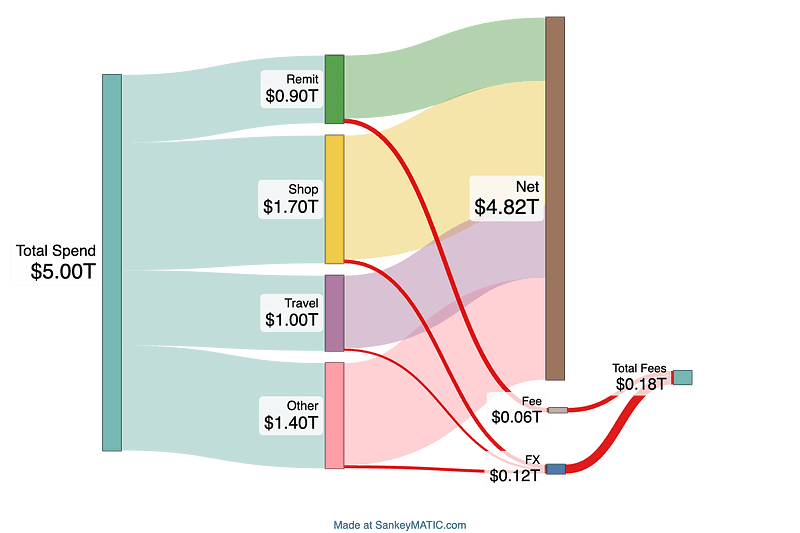
This system does three powerful things:
- It turns Bitcoin from an idle asset into productive financial energy.
- It removes volatility from daily spending.
- It finally links Bitcoin to actual economic activity, not speculation.
That’s how Bitcoin stops being a “novelty good” and becomes the foundation for a usable financial system.
What I am exploring right now
A crypto-backed credit system where BTC becomes your creditworthiness, which ultimately unlocks Global spendings without any of the FX hurdles or loopholes, as well as rapid domestic settlements. I feel this opens the door to an entirely new class of economy, one where digital ownership directly translates into real-world financial capability.
If you’re thinking about the future of digital credit, Bitcoin collateralization, or the next layer of crypto utility, happy to connect!
Reach me at arjun10@sas.upenn.edu for some conversations.
Appendix: Key Data Sources
- World Bank Remittance Prices Worldwide (2025)
- McKinsey Global Payments Report (2025)
- Statista, Cross-border payments statistics (2025)
- Visa, Global Money Movement Trends (2025)
- Fortune Business Insights, Cross Border Payment Market Size (2025)
- Finance Yahoo, Cross Border Payments Market Report (2025)
- Grandview Research, Global Cross Border Payments Market (2025)
- CoinDesk, Who Holds Bitcoin in 2025?
- River Financial, Who Owns the Most Bitcoin in 2025?
- ZoneWallet.io, Latest Bitcoin Ownership Distribution (2025)
- TradingView, Who Controls the Bitcoin Market in 2025?
- Comparative market analysis (real estate, equities, crypto):
- Morningstar, Gold vs. Bitcoin: Safe-Haven Debate Shifting (2025)
- VanEck, Bitcoin vs. Ethereum in 2025: Comparison & Outlook
- Digiconomist, Cryptocurrency Decentralization Metrics
- Bitcoin attributes and use as collateral:
- Kraken, How Many Bitcoins Are Currently In Existence? (2025)
- Investing.com, Bitcoin as Bank Collateral (2025)
- Bitcoin Magazine, Expanding Global Liquidity and Bitcoin Price (2025)
- Chainalysis: 60% of Bitcoin is Held Long Term as Digital Gold. What About the Rest? (2020)
Originally published on Medium on Nov 24, 2025. Text and publication date preserved from the original.